6 Best Mount Kenya Trekking Routes:Planning Your Climb

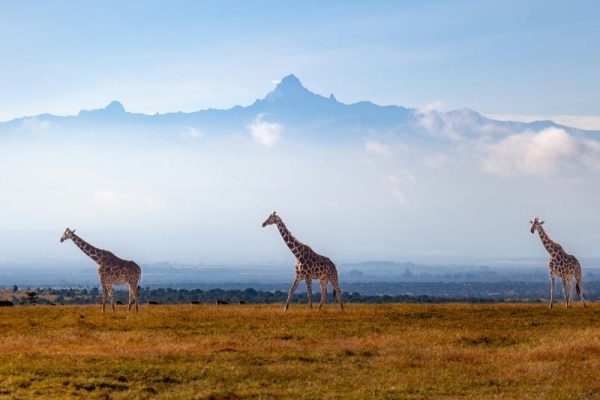
Trekking Mount Kenya remains on many people’s bucket list things to do in Kenya, as it offers challenging ascents with superb scenic beauty.

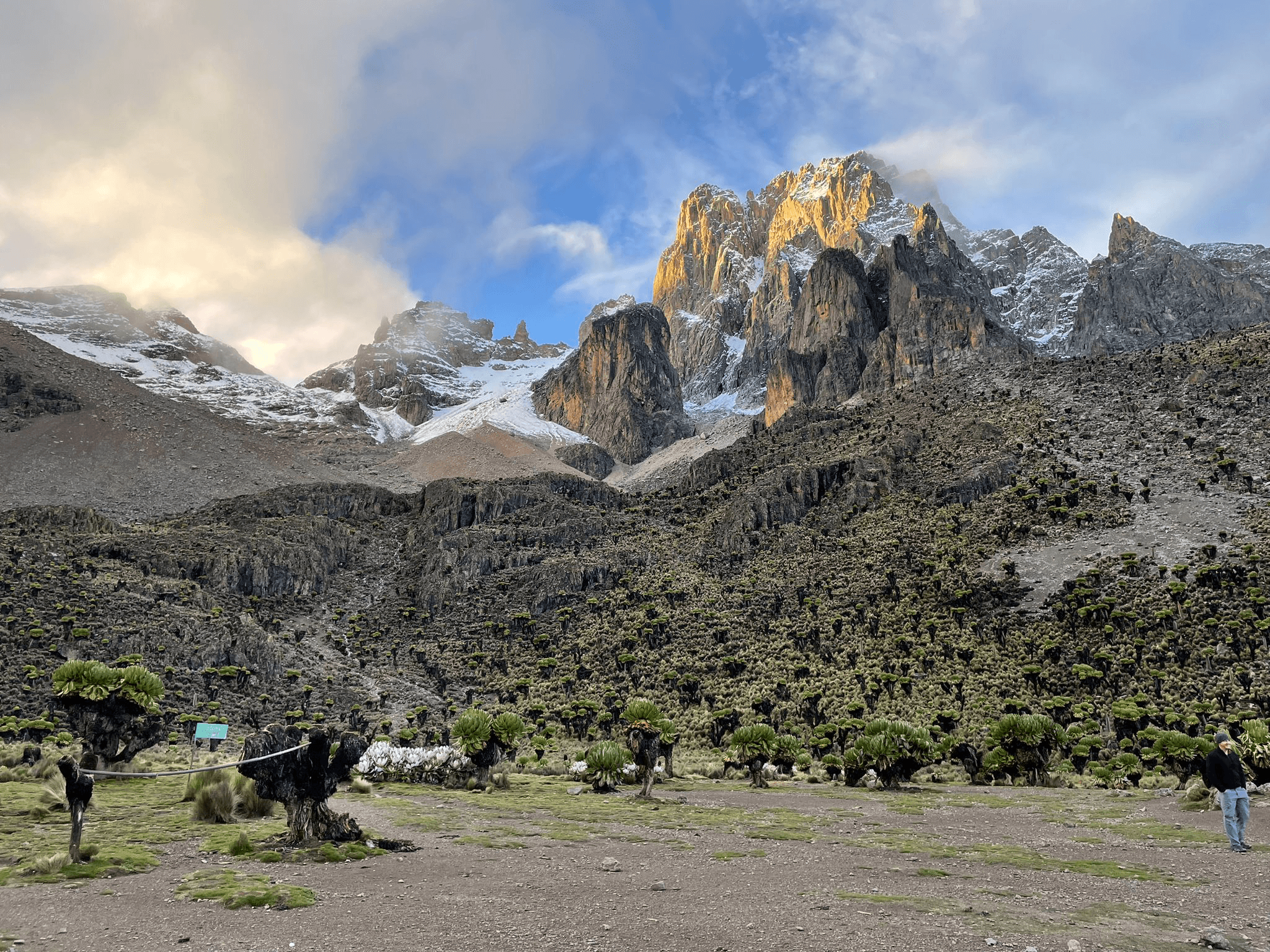
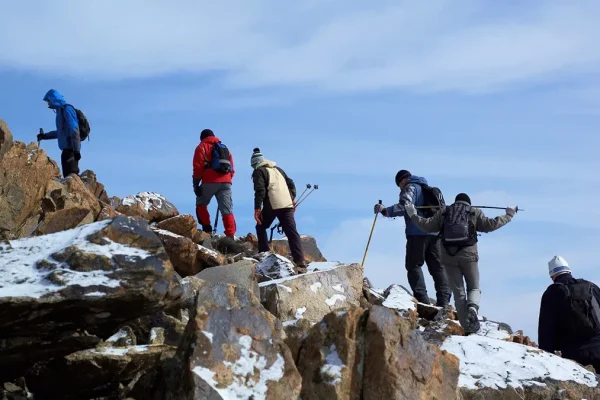
Mount Kenya is considered a more scenic trek, rising at a height of 5,199 metres (17,057 feet) & comprises three main peaks: Batian, Nelion and Point Lenana. The highest Mount Kenya peaks, Batian and Nelion require advanced rock climbing and mountaineering skills to conquer. It’s about 4,985 metres (16,355 feet) to Point Lenana’s summit, which can be reached by walking.

There are six (6) established Mount Kenya routes which lead to the summit, Batian, Nelion and Point Lenana. With its several peaks, the mountain is made for diverse climbing opportunities, and a popular destination for organised trekking tours. Mount Kenya summits can be reached by a variety of routes, ranging from non-technical paths to rock climbs requiring specialised skills. These routes include:

1. Naro Moru Route (Southwest)

2. Sirimon Route (Northwest)

3. Chogoria Route (East)

4. Burguret Route (West/Northwest)

5. Timau Route (North)

6. Kamweti Route (South)

The one question we are asked more often than any other is “which is the best route to climb Mount Kenya”. And the answer depends on the level of challenge you want. Knowing more about the different options and routes helps you select the right one for your experience, fitness, and goals. Below is a list of the best trekking routes:

Climbing Mount Kenya Peak

Climbing Mount Kenya Packages

Explore the tours chosen and recommended by a multitude of travelers.

Mount Kenya Tours & Trips
5
Add to Wishlist
5
(1 Rating)
Climbing Mount Kenya Tour Via Burguret (Bamboo Route)
100 People
7 Days
Mount Kenya.
Safari Tours To Mount Kenya
5
Add to Wishlist
5
(1 Rating)
Mount Kenya Rock Climbing Batian Technical Challenge
100 People
6 Days
Mount Kenya.
Safari Packages To Mount Kenya
5
Add to Wishlist
5
(1 Rating)
Mount Kenya Trekking Tour
100 People
6 Days
Mount Kenya.
Mount Kenya Wildlife
5
Add to Wishlist
5
(1 Rating)
Mount Kenya Climbing 5 Nights Safari
100 People
5 Days
Mount Kenya.

Highest Success Rate and Overall Best Route To Climb Mount Kenya

If you want the highest chance of summiting the best route to climb Mount Kenya is the Sirimon-Chogoria route and Burguret Route over 6 or 7 days – excellent acclimatization and an easier summit night make these excellent by a long way. Because reaching the top is the most important thing for most of our climbers, we find these climbing routes the complete best route to trekking Mount Kenya.

Mount Kenya Trekking Guide

Explore the lakes and tarns along the climbing routes

Most Scenic Route To Climb Mount Kenya

The Chogoria route approaching from the East wins as the best views with spectacular vistas in all directions passing by waterfalls and an incredible gorge.

Quietest Route To Climb Mount Kenya

If keeping away from the crowds is your top priority the Burguret route has to be your choice as the best route for your Mount Kenya climb.

Most Challenging Route To Climb Mount Kenya

The challenging standard route to trekking Mount Kenya is Kamweti Route.

Additionally, Batian and Nelion are the technical challenging routes up Mount Kenya – they are best suited to experienced climbers comfortable with alpine conditions.

Mount Kenya Climbing Routes

1. Naro Moru Route

Passes through rainforest, bamboo, and alpine moorland.

Famous for the “Vertical Bog” — a steep, muddy ascent through tussock grassland that tests endurance.

Mackinder’s Camp (4,200 m) is the main base for summit attempts via Point Lenana.

2. Sirimon Route

Begins in dry forest and rosewood zones, leading to the scenic Mackinder Valley.

Old Moses Camp (3,300 m) and Shipton’s Camp (4,200 m) serve as major overnight stops.

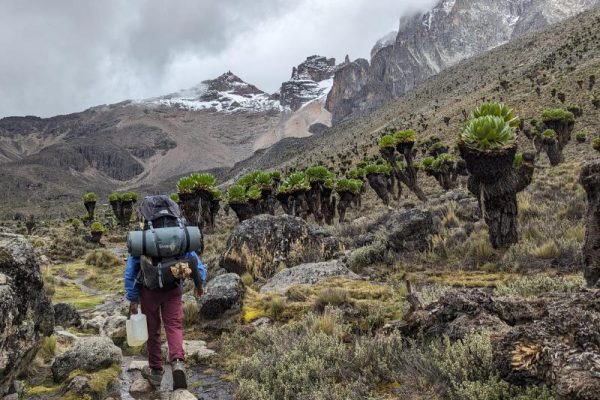
Offers panoramic views of the main peaks and high-altitude flora such as giant lobelias and senecios.

3. Chogoria Route

Widely regarded as the most beautiful route on Mount Kenya.

Passes through montane forest, bamboo, and the dramatic Gorges Valley with waterfalls, basalt cliffs, and alpine lakes (Lake Ellis and Lake Michaelson).

Summit access via Mintos Hut (4,200 m), with sweeping views of the peaks reflected in glacial tarns.

4. Burguret Route

Passes through dense montane forest with high wildlife diversity — elephants, buffaloes, and giant forest hogs are common.

Overnight in remote wilderness camps (e.g., Giant Bamboo Camp, Highland Castle Camp).

Connects with Shipton’s Camp near the summit circuit.

5. Timau Route

Gentle ascent through rolling moorland and open plains.

Historically used by colonial-era explorers and early climbers.

Excellent acclimatization due to gradual gradient.

6. Kamweti Route

Begins in dense indigenous forest with waterfalls and elephant trails.

Connects to the high moorlands near Austrian Hut.

Offers a chance to see rare wildlife and pristine forest ecosystems.

Which Route Is Best To Climb Mount Kenya?

When you are planning your Mount Kenya climb there are 6 factors that you need to take into consideration in deciding which is the best route to climb Mount Kenya for you.

-Acclimatization

-Difficulty of the summit night

-How busy the route is

-What are the accommodation options

-Safety

-What is the success rate

Acclimatization On Mount Kenya

Following these rules minimizes the risk of altitude sickness and improves you chance of summiting.

Ascend gradually.

Avoid going directly from low altitude to high (1,200 m or <4,000 ft) to 2,750 m (>9,000 ft) sleeping altitude in one day.

Once above 3,000 m (9,850 ft), move sleeping altitude by no more than 500 m (1,600 ft) per day and plan an extra day of acclimatization for every additional 1,000 m (3,300 ft) of sleeping altitude gain.

Consider using acetazolamide to speed acclimatization if abrupt ascent is unavoidable (BUT only when approved by your doctor).

Avoid alcohol for the first 48 hours at high altitude.

If a regular caffeine user, continue using to avoid a withdrawal headache that could be confused with an altitude headache.

Participate in only mild exercise for the first 48 hours at altitude.

How Busy Are the Routes Up Mount Kenya Summit?

Mount Kenya routes are never crowded, giving you a sense of privacy and no-rush mentality as you trek-up. The number of climbers on the mountain varies a lot depending on the season and on the day of the week but even taking this into account if you want to have the mountain more to yourself the best route to climb Kilimanjaro is the Burguret route. This route is used by a lot less climbers than the very popular climbing routes.

Mount Kenya Routes Safety

All Mount Kenya hiking routes are safe, and most hikers go up and down a combination of routes – which generally take about five (5) to six (6) days to complete. These routes have security gates which make them the most frequently used.

*NB* some of the routes require special permission from the Kenya Wildlife Service to hike due to poor weather patterns and risk/danger involved during hike.

Mount Kenya remains the best trekking tour because it offers hikers breath-taking mountain scenery of glaciers, lakes, mineral springs, and alpine forests to trek through, as well as spotting some wildlife compared to Kilimanjaro, Mount Kenya is considered a more scenic trek.

Which Route Has the Highest Summit Success Rate?

As a result of the better acclimatization offered and the easier summit night the best route to climb Mount Kenya in terms of summit success rate is the Sirimon Circuit route, and Chogoria route over 6 days. We operate group climbs starting every week through the year with different routes each week. If you are looking for a particular route you can see when we are running that route below.

Accommodation On Mount Kenya Climbing Routes

The Naro Moru route features mountain huts where you can spend the night, while the Sirimon route allows you to sleep in mountain huts and also camp. Elsewhere, Chogoria and Burguret routes allow camping only. Take note that the mountain huts are just basic accommodations do not expect much.

Best Mount Kenya Climb Route Combinations and Traverses

Most hikers go up and down a combination of routes – which generally take about five (5) to six (6) days to complete. These routes have security gates which make them the most frequently used. Many trekkers prefer traversing the mountain — ascending via one route and descending another to experience diverse ecosystems. The best combinations include:

Sirimon–Chogoria Traverse: Most popular and scenic; combines the dry north with lush east.

Naro Moru–Sirimon Circuit: Fast and convenient for round trips.

Burguret–Chogoria Traverse: Wild and remote; for seasoned hikers.

Mount Kenya Mountaineering Seasons and Conditions

Favorable Trekking Windows

January–March: Warm, dry, minimal snow on rock routes.

July–October: Cold, clear, excellent visibility; moderate wind.

Less Satisfactory Periods

April–June (Long Rains): Slippery, leech-prone forest trails.

October–December (Short Rains): Unpredictable weather and mist.

Temperature extremes are common — daytime 20°C, nighttime -5°C or lower above 4,000 m.

Rock climbers should aim for early morning starts, as afternoon storms frequently build around noon.

Tour
Search