Toll-free call
(+254) 742-974-349Training To Trek Mount Kenya
Mount Kenya stands as one of the most technically diverse mountain climbing destinations in Africa. Mount Kenya offers a true alpine ascents — sharp granite spires, snow patches, and multi-pitch routes that rival classic climbs in the Alps or Andes. Mount Kenya presents a challenging, multi-day trek at altitude. It can feel like a long, hard slog in the thin air, especially on summit night. Being physically prepared can mean the difference between a safe and comfortable climb, and a miserable, exhausting experience. You might be asking, how do I train for Mount Kenya trekking?
Truth is that being in your best physical fitness does not guarantee summit success because even the fittest athletes can succumb to the effects of altitude sickness. Also, you don’t need to be a top athlete to climb up Mount Kenya, as the altitude will be the deciding factor.
Things To Remember When Climbing Mount Kenya
Plenty of time is available each day to get between the camping stops on the mountain so you do not need to rush and you are in fact far better off going slowly and enjoying the changing scenery and views. That way you acclimatize better and are in better shape for the final trek up the summit.
Although no mountaineering experience is required a good level of physical fitness is necessary. You must be comfortable walking 6-8 hours uphill a day. This is certainly a strenuous climb so the better prepared you are, the more you should enjoy it.
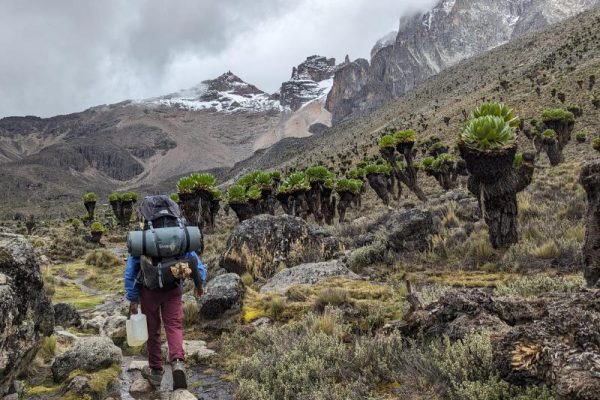
The trails can be steep, rocky and uneven
Mental stamina and mindset is very important
Benefits of keeping fit for the climb includes:
Improved oxygen delivery to the muscles during the hike
Enable you to recover quickly from the daily treks
Strong legs for the uphill and downhill mountain sections
Better balance and flexibility to reduce injury during the climb
Training And Fitness To Climb Mount Kenya
Any Mount Kenya fitness program will depend on your current exercise routine, injury status, and fitness levels. You don’t need superhuman levels of physical performance, with enough time (and if your doctor agrees) most healthy people are able to get in shape for Mount Kenya climb.
Things to do before hiking Mount Kenya:
Endurance & cardiovascular fitness
Leg, core & back strength
Flexibility and balance (stretching) -Yoga
Get out and hike, preferably incorporating rough trails and hills
Practice wearing your daypack & put some weight in it to get your shoulders and back used to hiking with it.
Hiking boots – wear your hiking boots during practice hikes, at the gym or around the house
Mental stamina – speak to yourself while hiking (meditate)
Tips On Getting Ready To Climb Mount Kenya
We recommend that in the months leading up to your climb you increase your physical fitness with aerobic exercise. Walking, running and stair-climbing will all strengthen your legs and improve your stamina
Go On Longer Walks – as you go about your day, if you have a dog, try put on a daypack with you during the daily walk
Hike the hills or try the gym lightweight exercises
Monitor Your Body – try listening to your body & push your limits during walks at home
Rest & Recovery – ensure you give your body enough time to rest after long tasks at home. Resting and limiting exertion are also helpful. Try to make it as easy as possible for your body to adjust.
Endurance Training – shift in between high and low -Intensity training
Strength Training – work on your lower body (leg) strength – squats, lunges, anything that targets the large muscles in your legs. Build some balance to help with the uneven mountain terrains. Use hiking poles.
Yoga – ensure you implement stretching & flexibility in your training
Breathing Techniques – learning to control your breathing is very important when you hike in the thin air. Shallow breathing and hyperventilation don’t allow you to take in enough oxygen and can increase your body’s stress response. Be mindful of your breathing and learn to take long, slow, deep breaths.
Drink Water – Always stay hydrated, and eat regularly
Avoid Alcohol During Trekking – respiratory depressants such as alcohol and opiates should not be used to aid sleep at high altitude. Alcohol can make some of the symptoms of altitude sickness worse.
If a regular caffeine user, continue using to avoid a withdrawal headache that could be confused with an altitude headache
Tobacco – If you use tobacco products, you should quit before going to high altitudes – Tobacco use of any kind can affect oxygen levels, which is a key concern with altitude sickness. If you use tobacco products, stop – don’t use it when climbing mountains.
Mental Stamina And Readiness – stay confident, but not over-confident. Achieving milestones that you set for yourself can increase your confidence in your ability to handle tough situations. Over-confidence can cause laziness and complacency. Be informed as much as you can about the challenge you are undertaking, build up knowledge about the mountain as well as about yourself.
Food & Nutrition – eat well. On the mountain, we provide you with well-balanced nutritionally dense meals and cater for most dietary requirements. During your training, it’s important to follow a healthy nutritional plan for optimal results that aligns with your goals.