Mount Kenya Packing Checklist: 10 Necessary Accessories For Trekking Mt. Kenya

Here we discuss the 10 necessary accessories for trekking Mount Kenya. In order to be safe and comfortable throughout your Mount Kenya climb, you’ll need to bring important gear and supplies with you. We have put together a comprehensive Mount Kenya packing list to help you prepare for your climb.

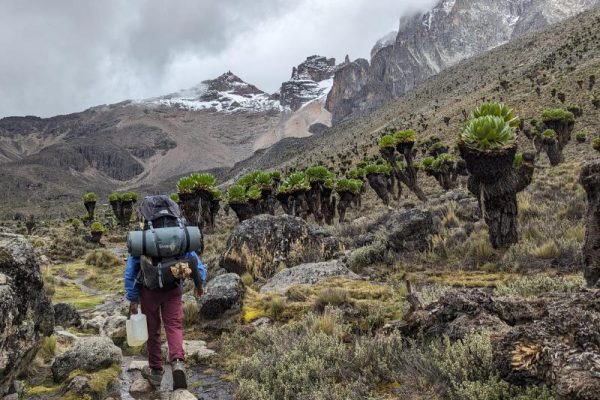
Trekking Mount Kenya involves six (6) main climate zones, from the warm foothills of the mountain progressing to humid forest and lower slopes, to the terribly cold summit, with glaciers, ice, and snow. You need to be prepared for all kinds of Mount Kenya ever-changing weather conditions – sunny, windy, and rainy days.

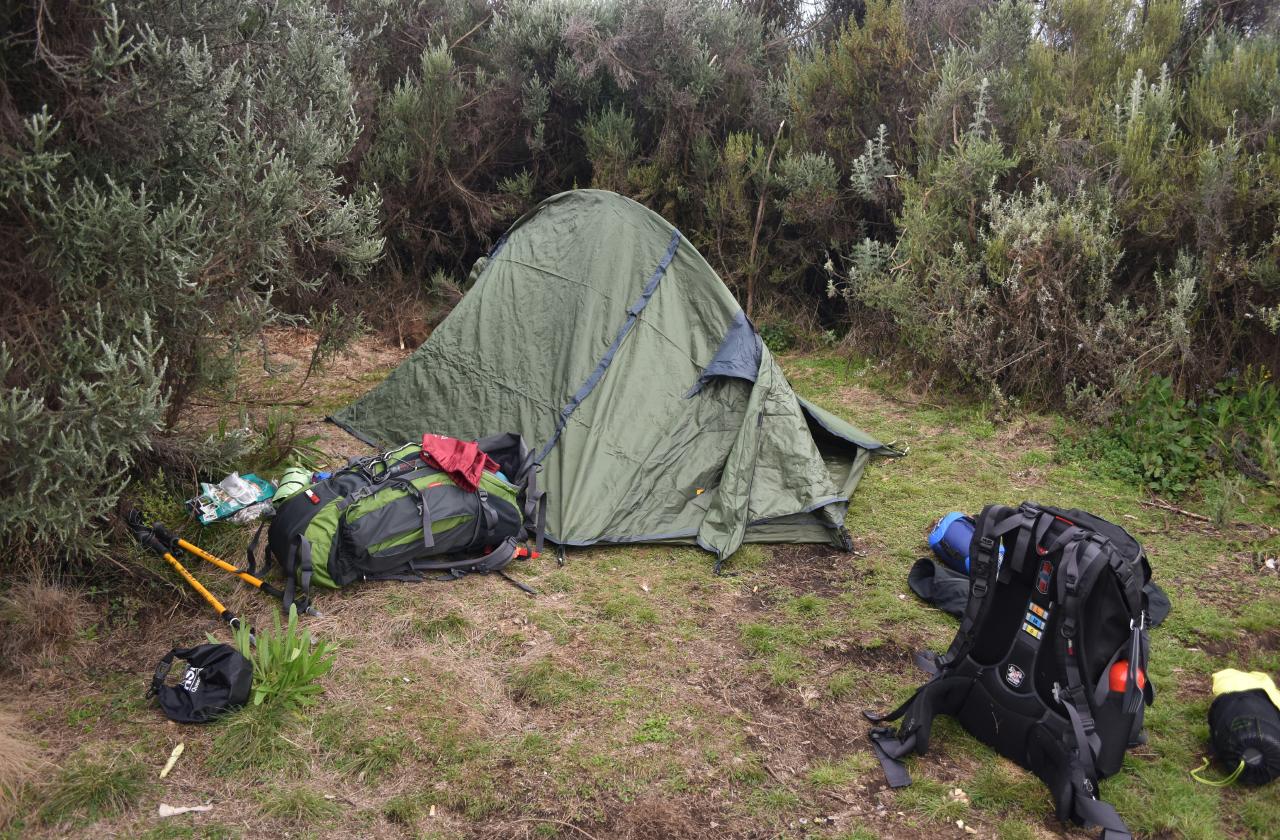
At Climbing Mount Kenya, we provide tents, the camping equipment’s, food, cooking facilities, and other shared items. You’ll have a duffel bag with all your kit, carried by the porters; and carry your own day pack during the trekking days.

Mount Kenya Tour Packages

Climbing Mount Kenya Tours

Explore the tours chosen and recommended by a multitude of travelers.

Mount Kenya Tours & Trips
5
Add to Wishlist
5
(1 Rating)
Climbing Mount Kenya Tour Via Burguret (Bamboo Route)
100 People
7 Days
Mount Kenya.
Safari Tours To Mount Kenya
5
Add to Wishlist
5
(1 Rating)
Mount Kenya Rock Climbing Batian Technical Challenge
100 People
6 Days
Mount Kenya.
Safari Packages To Mount Kenya
5
Add to Wishlist
5
(1 Rating)
Mount Kenya Trekking Tour
100 People
6 Days
Mount Kenya.
Mount Kenya Wildlife
5
Add to Wishlist
5
(1 Rating)
Mount Kenya Climbing 5 Nights Safari
100 People
5 Days
Mount Kenya.

Trekking Mount Kenya Gear List

Heading on a hike to Mount Kenya? This practical guide from Climbing Mount Kenya takes the guesswork out of packing for a memorable mountain trekking adventure. From the essentials of clothing to technology and gear, this Mt. Kenya packing list is created with comfort, safety, and making the most out of your hiking experience. We recommend that you pack at least the following:

Items For The Climb Includes:

Top Base Layer

Bottom Base Layer

4-5 Pairs of Underwear

3-4 Short Sleeve

1 Insulated Trekking Pants

1-2 Long Sleeve Hiking Shirts

1-2 Pairs of Hiking Trousers

1 Insulated Winter Jacket

1 Polartec Fleece Jacket

1 Hard Shell Jacket

Mount Kenya Clothing Wear ^

Clothing will not only have impact to your comfort but also your safety – proper clothing is recommended. Cotton clothing should be avoided because it dries very slowly and is a poor insulator when wet. Instead, choose wool or synthetic fabrics that “wick” the sweat and moisture away from your skin.

We recommend a four-layer clothing system when hiking Mount Kenya peaks.

Base Layer Trekking Clothes

Manages moisture and keep you dry from sweat from your skin. (Polypropylene base layers, Capilene base layers, Ether DriClime)

Mid Layer Clothing - Soft Shell

Should be a durable, comfortable, insulating and wind/water resistant layer that breathes well. The main types of Softshell fabrics are Polartec Wind Pro, Gore Windstopper N2S, Schoeller – each clothing manufacturer has their own. 200 weight fleece can be substituted for our Softshell recommendations but is not as versatile with how it may be used when layering.

Outer Layer Clothing - Hard Shell

Windproof, waterproof and breathable. (Gore-Tex Parka, or similar)

Insulating Layer Clothing

Should be down-fill or synthetic-fill and fit over all layers. (E.g. down jackets, primaloft Jacket or polarguard Jacket).

These four layers are usually sufficient for most people, but if you tend to be colder bring one extra medium-layer that would be ideal for extra warmth around camp, such as a vest. When deciding what to pack, remember to bring enough clothes and accessories to ensure your safety and comfort, while not over-burdening yourself with items you probably won’t use.

Mount Kenya Climbing Guide

Explore the lakes and tarns along the climbing routes

Mount Kenya Sleeping Gear ^

4-season warm sleeping bag and a liner: Make sure the sleeping bag has a rating of 0° for comfort and -20° for extreme conditions.

Mount Kenya Head and Face Essentials ^

Fleece or wool hat – it must cover the ears.

Shade hat – a visor hat with a good brim is essential for protection from the equatorial sun.

Balaclava overhead cover.

Bandanna or buff – various uses; cleaning glasses, sun protection when tied around the neck, etc.

Sunglasses or glacier glasses – essential eye protection whether in the tropics, at high altitudes or by the water.

Woollen or fleece hat (beanies)

Personal Items Essentials For Climbing Mt. Kenya ^

Toilet kit – biodegradable soap (small amount), tooth brush & toothpaste, toilet paper, wet wipes, comb, tampons, etc.

Towel – for wash up in camp.

Sun screen and lip protection (SPF 30+).

Zip lock bags – to protect camera etc. from dust.

Money belt – for valuables and identification.

Ear plugs – to block out snoring and other noise to ensure a good night’s sleep.

Water treatment tablets – either one small bottle of Potable Aqua or Polar Pure crystal iodine – purifies drinking water.

Climbing Mount Kenya Upper Body Clothing ^

T-shirts – two t-shirts that will get dirty; Patagonia capilene is best. No cotton.

Thermal underwear – long underwear top; one medium weight and one heavyweight long sleeve Patagonia capilene, pull-over is best.

Polar fleece or soft shell jacket or down jackets – this is what you will be wearing while hiking at higher altitudes or while around at camps at lower altitude. These jackets should be full-zip and accessible. Call for more details on “Soft-shell”.

Gore-Tex Parka – a good parka made of Gortex or waterproof nylon that has been seam sealed.

Down or Synthetic Jacket – this layer is to keep you warm, especially at those higher altitudes. The Patagonia Puffball Jacket is perfect for this trek.

Glove liners/ Fleece glove – a lightweight glove to use while trekking and hanging around camp.

Shell gloves if necessary – a shell system of a fleece liner and waterproof shell that handles cold. Brands such as “OR” make a shell system that can be bought together.

Climb Mount Kenya Lower Body Wear ^

Undergarments – adequate supply for the entire climb.

Hiking shorts – one pair of quick-drying shorts is good for hiking at lower elevations on the mountain.

Long underwear or tights – these can be worn under heavier layers on colder days or worn by themselves on warmer days, which are why tights are good.

Soft shell pants – soft-shell pants are water resistant, yet highly breathable and durable. Great for colder conditions over a pair of long underwear or tights. Patagonia guide pants are a great brand.

Gore-Tex Pants – a lightweight pair of pants to keep you dry when raining or snowing hard. Full-zips are convenient.

Foot Wear to Climb Mount Kenya ^

Thin socks – two pairs of polypropylene socks to wear under heavy wool socks; help prevent blisters and keep feet dry.

Thick socks – two pairs of heavy wool or polypropylene socks, almost medium to heavyweight.

Socks – a couple of thick thermal pairs and some regular ones.

Water resistant semi stiff hiking boots – one pair light to medium weight hiking boots large enough to be comfortable with one thin and one heavy sock. (Use tried and tested boots to avoid blisters and take a good supply of (Compeed blister plasters).

Gaiters – one pair of gaiters made of breathable material; keeps snow, dirt and mud out of boots or crocs are great.

Tennis shoes, trainers shoes or sandals – sneakers or running shoes to wear in camp after a day of hiking or overnight stay at camps.

Medical And First Aid Supplies On Mount Kenya ^

Please Read Carefully the – Medical Disclaimer on Our Website – CLICK HERE

Paracetamol pain killers – for headaches.

Anti-altitude sickness medication – Diamox (only if not allergic to Sulphur). Please consult your doctor on use of Diamox or any other tablets used by some mountaineers to help them cope with the effects of altitude sickness.

Imodium capsule -for diarrhoea.

Aspirin – to reduce fever and relieve mild to moderate pain from conditions such as muscle aches, toothaches, common cold, and headaches.

Laxative – a type of medicine that can treat constipation.

Antibiotics – used to treat or prevent some types of bacterial infection.

Elastoplast Soft Gauze – is designed to stop bleeding and help cleanse, cover and protect acute wounds.

Betadine antiseptic – used on the skin to treat or prevent skin infection in minor cuts, scrapes, or burns.

Throat lozenge – used to temporarily help relieve symptoms such as sore throat, throat irritation, or cough (due to a cold, for example).

Moleskin antihistamine tablets and cream – to relieve symptoms of allergies, such as hay fever, rashes and reactions to insect bites or stings.

Malaria prophylaxis, Insect repellant.

Something for muscular pains.

Plaster and bandages – for abrasions, blisters and cuts.

Eye drops.

NB – You should NOT attempt the climb if you have any cardiac or pulmonary disease.

Our Medical Advice Disclaimer – Standard Terms and Conditions Apply – CLICK

Carrying Gear For Climbing Mount Kenya ^

Daypack – with padded shoulder straps and waist belt, this is used for carrying personal gear such as camera, raincoat, lunch pack, warm jacket or sweater, water bottle, extra clothing, snacks, etc. Individual loads will be between 10 and 20 pounds. A climbing pack with a volume between 25-30 liters serves most people needs well. Normally you will not see your backpack from the moment you hand it to the mountain porter in the morning to at least lunchtime, and maybe not until the end of the day. It’s therefore, necessary to pack everything that you may need during the day in your bag that you carry with you.

Large backpack – gear will be kept in it and will be carried by the porters. Limit loads to items on the equipment list. Your large Backpack cannot exceed 22 lbs.

Medium duffel bag – to store your non-mountain gear; this will be stored at the hotel, to be used after the climb, and will be brought to your hotel.

Travel luggage tags – makes identifying your bags easy at the airports or hotels.

Ultralight rain cover for backpacks – sleeping bag and clothes will be double-bagged while on the mountain for protection from any form of rain.

Essential Trekking & Hiking Equipment For Mount Kenya Include;

Comfortable, sturdy, waterproof, and durable hiking boots that are high enough to support your ankles.

Adjustable ski poles.

Headlamp torch – a headlamp is the best torch for night hiking as you can have your hands free at all times. You will use your headlamp on summit night – bring extra batteries.

Water bottle/containers – wide-mouthed plastic bottles. If you use a collapsible water bottle or hydration system you are welcome to bring it along for drinking water. No PET plastic bottles are allowed on Mount Kenya. Bring aluminum or Nalgene-type bottles for water or thermal water flask. Camelbacks are handy as well, but water will freeze especially on summit night so you will need bottles. You will need to drink at least 3 liters of water per day.

Recommended Technical Climbing Gear For Nelion And Batian Peaks On Mount Kenya

Climbing ropes and harness.

Helmet.

Rock shoes.

Belay or rappel plate.

Karabiners.

Slings.

Prussic loops.

Nuts or wires.

Cams.

Quickdraws or extenders.

B1 boots, crampons and an ice axe may be required for snow or ice conditions.

Optional Climbing Gear Checklist ^

Camera (Extra lenses and film ASA 200 film recommended.

Binoculars – essential for game-viewing.

Powdered sports drinks for the climb e.g. game, isotonic drinks.

Pocket knife.

Note book and pencil.

Plastic bags (banned in Kenya) + Masking tape -To keep clothing dry.

Video camera, tapes, battery packs & tri pod.

Snacks (optional) – if there is something you particularly like to eat while hiking, bring some along. Although you will be fed well throughout the trip, so this is just something extra.

Clothing Essentials On Mount Kenya Treks

You want to ensure that your inner layer is breathable and wicking – no cotton. Next layer should be insulating and warm, and the top layer should be waterproof, and breathable

On Mount Kenya, you will need clothes for hiking during the day, resting in the evening, and for sleeping at night. That’s why layers are key, as temperatures change dramatically

Remember – your clothing should be lightweight, breathable, hand-washable, and quick-drying

NO COTTON! Cotton doesn’t allow moisture to escape and ends up soaked very quickly while trekking

Don’t bring jeans, as they are unsuitable for hiking Mount Kenya

Mount Kenya Clothing Tips For Beginners

On the mountain, never stay in wet clothing, as soon as you get to camp, change into dry clothes

Your base layer clothing needs to wick sweat away from your body

Your mid-layer retains your body heat, while allowing sweat to evaporate off

Your outer layers protect you from the wind and rain and add heat in cold conditions

Weather on the mountain is unpredictable and can change quickly. Even if it’s not raining, low cloud, mist, and fog can make for a damp and chilly hike. The wind chill factor can make a sunny day feel icy cold.

Mount Kenya Travel Documents Checklist

Pre-departure, ensure your safari travel documents are in order:

Valid passport (at least six months’ validity) and at least one blank page.

Approved Electronic Travel Authorisation (eTA) (apply online at least one week prior to travel)

Travel insurance with medical evacuation cover

Flight and lodge booking confirmations

Emergency contact information and photocopies of all documents

Credit/debit cards and spare local currency for tips

Tour
Search